
THE CITY OF LUSAKA
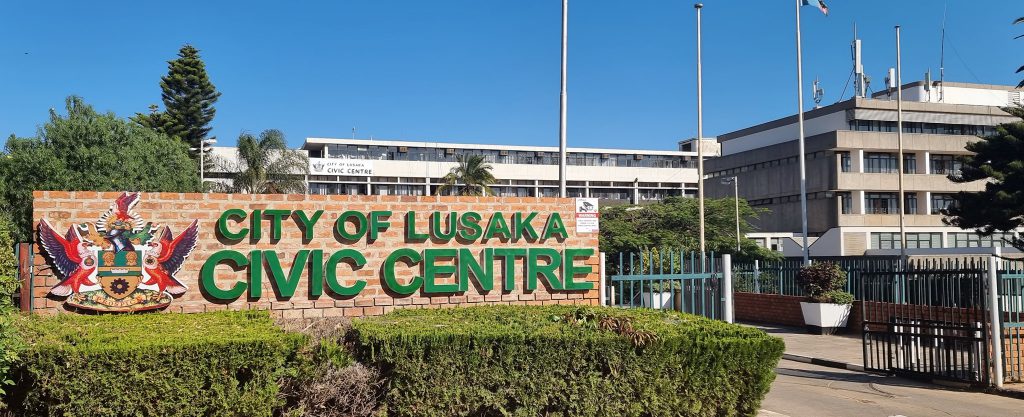
Welcome to the official website of the Lusaka City Council (LCC), the administrative authority for Lusaka District. The City Council is fully committed to fostering sustainable urban development, delivering essential municipal services and promoting inclusive growth for all residents and visitors.

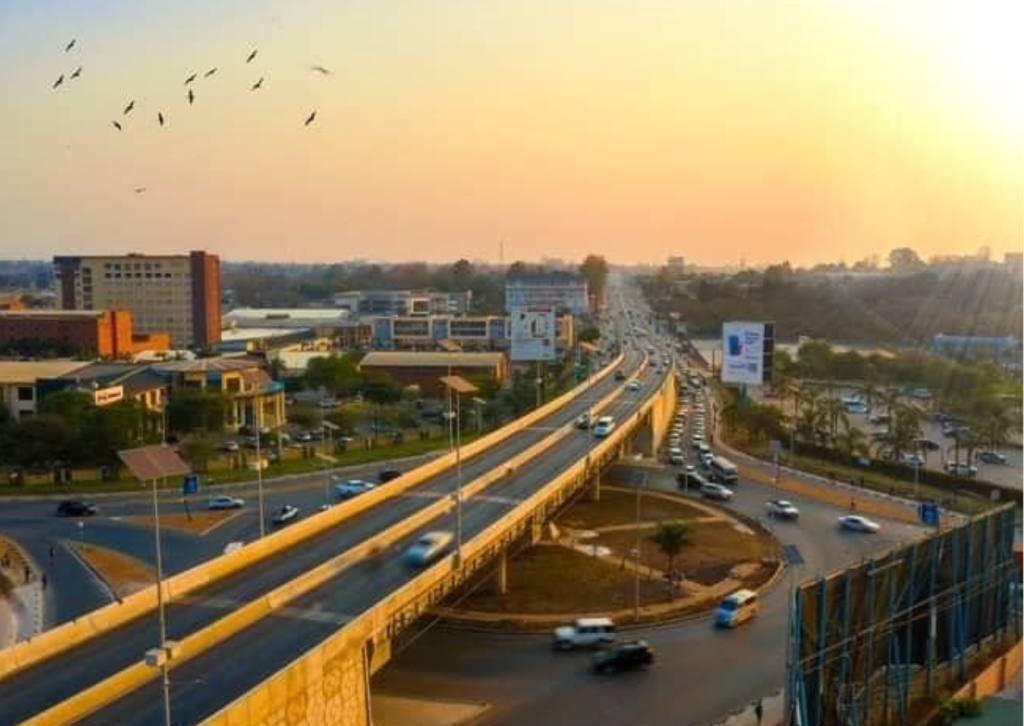
Lusaka District is situated in the heart of Lusaka Province, serving as both the provincial and national capital of Zambia. Its central location makes it the country’s political, administrative and economic hub, strategically positioned along major transport corridors that connect Zambia to regional and international markets.
Population
According to the 2022 Census of Population and Housing, Lusaka District is home to approximately 3,079,964 residents, making it the most populous district in Zambia. This diverse and dynamic population reflects the district’s role as a Centre of opportunity, innovation and cultural exchange.
District Administration
The district’s administrative headquarters is located in Lusaka City, where the Lusaka City Council oversees local governance, service delivery and civic planning. The Council works closely with communities, businesses and government institutions to ensure effective management of urban growth and infrastructure.
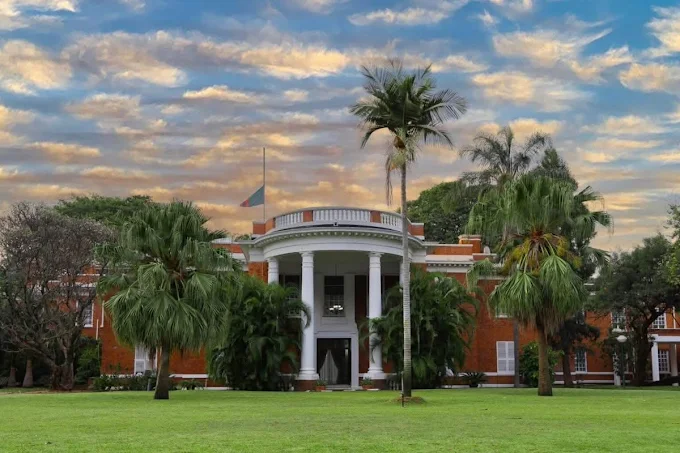
The Republic of Zambia State House
Lusaka District also hosts State House, the official residence and office of the President of the Republic of Zambia. This landmark underscores Lusaka’s status as the nation’s political capital and a focal point for national decision-making.
Commercial Activities
As Zambia’s commercial center, Lusaka District boasts a vibrant economy driven by retail, finance, construction, manufacturing, and hospitality industries. The district is home to bustling markets, modern shopping malls, banks, and corporate headquarters, making it a key destination for investment and entrepreneurship. Its thriving commercial activities contribute significantly to Zambia’s Gross Domestic Product (GDP) and provide employment opportunities for thousands of residents

About Lusaka City Council
Lusaka was established as a settlement in 1913. The administration of Lusaka City Council is divided into two the first is a political wing headed by the Mayor while the administration part is led by the Town Clerk and eight directors representing eight departments.
Contact Information
Tell: +260 211 252048, +260 9576350
Lusaka City Council
P.O Box 30077
Independence Ave, Lusaka, Zambia